Tips for Working with Spun Aluminum in Your Projects
Understanding Spun Aluminum and Its Applications
Overview of Spun Aluminum
Spun aluminum, a unique fabrication technique, involves shaping aluminum sheets into cylindrical forms through a process called metal spinning. This technique allows for the production of various components with intricate shapes and excellent surface finishes. During the spinning process, a flat metal disc is clamped onto a lathe, and a tool is used to push the metal against a rotating mold. This method not only enhances the strength of the aluminum but also allows for lightweight yet durable products. Spun aluminum is highly versatile, making it a popular choice for many manufacturing applications.
Common Uses in Tanks and Other Projects
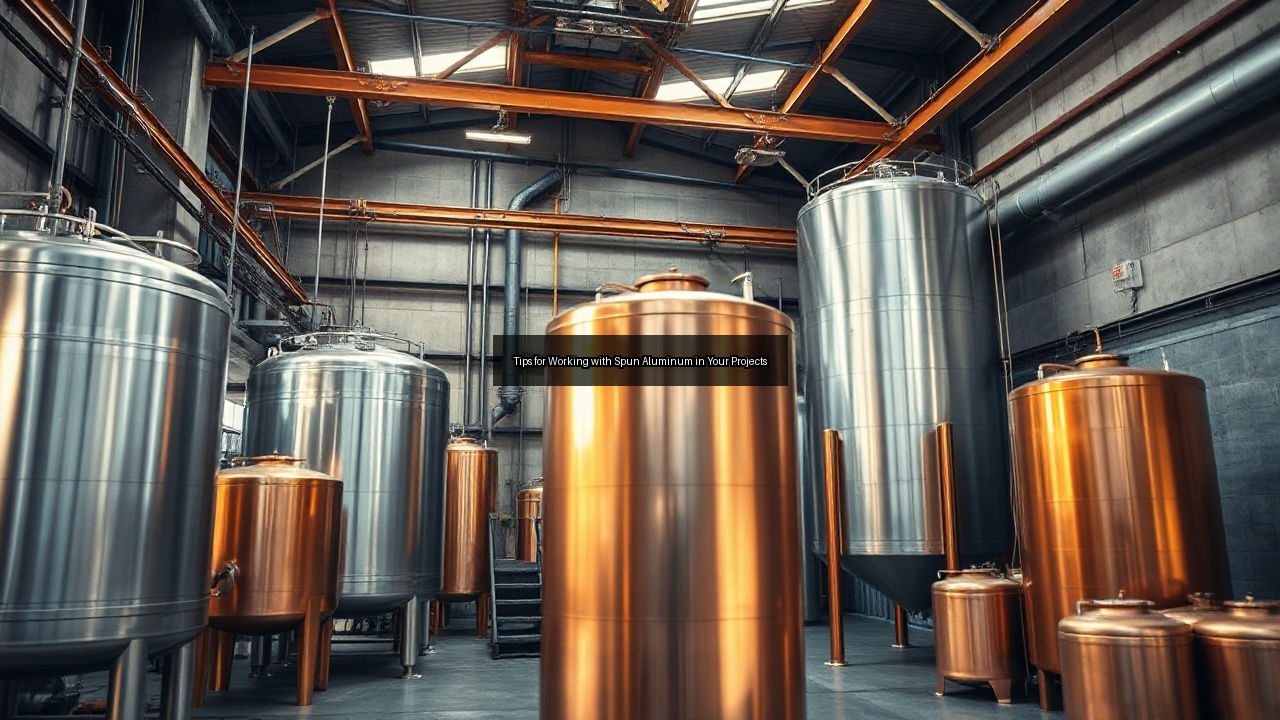
Spun aluminum finds its way into numerous applications, particularly in the creation of tanks, which can be utilized for storage and aluminum metal spun transportation. The lightweight nature of spun aluminum makes it ideal for fuel tanks in aviation and automotive industries. Beyond tanks, this material is commonly used in the production of cookware, lighting fixtures, and decorative elements. Its ability to maintain structural integrity while being lightweight is crucial in applications where weight reduction is essential, such as in aerospace components and portable equipment.
Advantages of Using Spun Aluminum Over Other Metals
Spun aluminum offers several advantages compared to other metals. Its lightweight characteristic significantly reduces the overall weight of the finished product, which is beneficial for transportation and installation. Additionally, aluminum exhibits excellent corrosion resistance, making it suitable for outdoor applications and environments where exposure to moisture is a concern. Unlike heavier metals such as copper or steel, spun aluminum is easier to handle and manipulate, which reduces labor costs in manufacturing processes. Furthermore, the metal spinning process allows for greater design flexibility, enabling the production of complex shapes that would be challenging to achieve with traditional metal stamping techniques.
The Metal Spinning Process
Introduction to Metal Spinning Techniques
The metal spinning process stands out for its ability to produce high-quality parts with minimal waste. This technique involves rotating a metal disc at high speeds while a forming tool shapes the metal against a mold. Different methods exist within metal spinning, including traditional manual spinning and modern CNC (Computer Numeric Control) spinning. Each method has its own advantages, with CNC spinning offering increased precision and repeatability. Understanding the nuances of these techniques is essential for achieving optimal results when working with spun aluminum in various projects.
Key Equipment for Spinning Aluminum
Essential equipment for successful metal spinning includes a lathe, tooling, and fixtures. The lathe serves as the backbone of the spinning process, providing aluminum metal spun the necessary rotational power. Tooling, which consists of various forming tools, shapes the aluminum during the spinning operation. Fixtures secure the aluminum disc in place, ensuring accurate spinning. Investing in quality equipment contributes to the overall efficiency and quality of the final product. Additionally, a clean and organized workspace fosters better results and reduces the risk of errors during the spinning process.
Comparison of Metal Spinning and Metal Stamping
Metal spinning and metal stamping are two distinct methods of shaping metal, each with its own set of advantages and disadvantages. Metal stamping involves pressing a flat sheet of metal into a desired shape using a die, while metal spinning forms the metal into shape by applying force around a mold. Metal spinning allows for greater flexibility in design, enabling the creation of complex geometries that may not be feasible with stamping. Additionally, spun aluminum typically has superior mechanical properties, including increased strength from the work hardening that occurs during the spinning process. However, metal stamping can be more cost-effective for high-volume production runs due to lower tooling costs.
Working with Spun Aluminum in Your Projects
Choosing the Right Spun Aluminum Alloy
Selecting the ideal spun aluminum alloy is crucial for achieving the desired characteristics in your project. Common aluminum alloys for spinning include 1100, 3003, and 5052, each offering specific benefits. Alloy 1100 is known for its excellent corrosion resistance and formability, making it suitable for decorative applications. Alloy 3003, often used in cooking equipment, combines good workability with moderate strength. For applications requiring higher strength and weldability, alloy 5052 is a popular choice. Assessing the specific requirements of your project, such as strength, weight, and corrosion resistance, will guide you in selecting the most appropriate alloy for your spun aluminum needs.
Tips for Fabricating with Lightweight Aluminum
When fabricating with lightweight aluminum, several tips can enhance your project's efficiency. First, ensure you have the right tools and equipment for spinning aluminum, as improper tooling can lead to defects. Pay close attention to the forming speed and pressure applied during the spinning process; excessive force can cause the aluminum to crack or deform. Additionally, consider using lubricants during spinning to reduce friction and improve surface finish. Proper handling of the spun aluminum products is essential, as they can be susceptible to dents and scratches. Implementing these practices will lead to a more successful fabrication process and superior final products.
Cost Considerations and Budgeting for Projects
Budgeting for projects involving spun aluminum requires careful consideration of several factors. Material costs may vary depending on the chosen alloy and thickness. Additionally, manufacturing processes such as metal spinning and any necessary finishing treatments will influence overall expenses. When estimating costs, account for labor, tooling, and equipment maintenance. Establishing a clear budget helps in identifying potential financial constraints and allows for better planning. Always include a contingency for unexpected expenses, ensuring your project remains on track financially. By thoroughly assessing these cost considerations, you can effectively budget for your spun aluminum projects without compromising quality.
Finishing and Maintaining Spun Aluminum Products
Surface Treatments for Enhanced Durability
Applying surface treatments to spun aluminum products significantly enhances their durability and aesthetic appeal. Common treatments include anodizing, powder coating, and polishing. Anodizing creates a protective oxide layer that improves corrosion resistance and provides a decorative finish. Powder coating adds color and further protects aluminum from environmental factors. Polishing can yield a reflective surface that adds elegance to products, making them suitable for decorative applications. Each surface treatment has its own set of benefits, so carefully consider the intended application of your spun aluminum product when selecting the appropriate treatment.
Maintenance Tips for Longevity
Maintaining spun aluminum products extends their lifespan and preserves their appearance. Regular cleaning with mild soap and water will remove dirt and debris without damaging the surface. Avoid abrasive cleaners or scrubbing pads, which can scratch the finish. For outdoor applications, periodic inspections for signs of corrosion or wear are essential. If any damage occurs, address it immediately to prevent further deterioration. Additionally, store spun aluminum products in a dry environment to avoid moisture-related issues. Following these maintenance tips ensures your spun aluminum items remain functional and visually appealing for years to come.
Design Considerations for Aesthetic Appeal
Design plays a pivotal role in the success of spun aluminum projects. When planning your designs, consider the balance between functionality and aesthetics. Utilize curves and contours to create visually striking pieces that also meet performance requirements. Pay attention to the color and finish of the aluminum, as these elements can significantly impact the overall look. Incorporating branding or unique patterns can enhance marketability, making your spun aluminum products stand out. Ultimately, a well-thought-out design process ensures both practicality and beauty in your spun aluminum creations, appealing to a wider audience.