Swiss Machining Services for High-Volume Production Runs
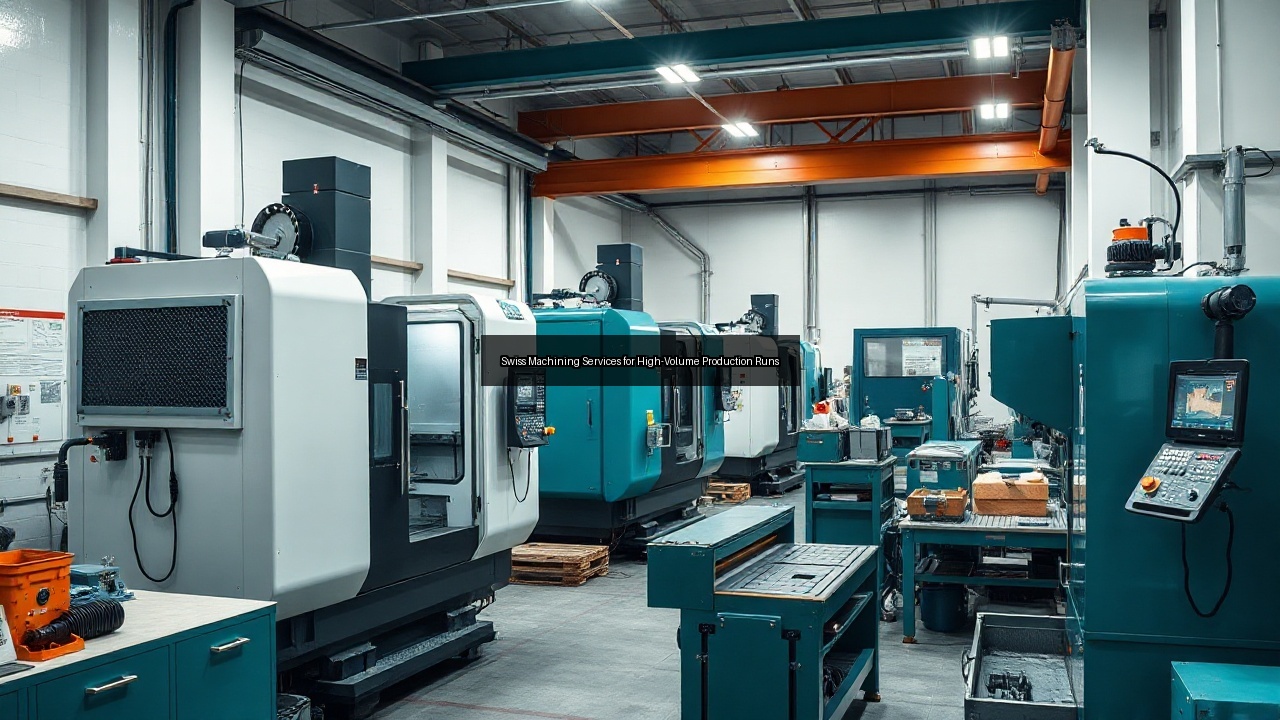
Understanding Swiss Machining Services
What is Swiss Machining?
Swiss machining refers to a specialized method of precision machining that originated from the Swiss watchmaking industry. This technique cnc machined utilizes a sliding headstock and rotating spindle to produce complex parts with high precision and tight tolerances. Swiss machining services focus on producing small, intricate components efficiently, making it ideal for high-volume production runs. The process operates with a unique mechanism where the material is fed into the machine, allowing for continuous cutting and minimal waste. This capability enables manufacturers to create highly accurate parts quickly, which is crucial in industries such as aerospace, medical devices, and automotive manufacturing.
Key Features of Swiss Machining
Swiss machining stands out due to its distinct features that enhance precision and efficiency. First, the use of CNC machines allows for automated, repeatable processes that maintain accuracy across production runs. Swiss machines can execute multiple operations, such as turning, threading, and milling, in a single setup. This versatility reduces the need for secondary operations and streamlines production. Additionally, the design of Swiss machines accommodates various materials, including stainless steel, nylon, acetal, and PTFE, making it adaptable to diverse project requirements. The ability to maintain tight tolerances ensures that each machined piece meets rigorous quality standards, which is vital for applications in high-stakes industries.
Benefits of Swiss Machining Services
Utilizing Swiss machining services offers numerous advantages for manufacturers looking to optimize production. One significant benefit is the speed of production. The continuous operation of Swiss lathes significantly reduces cycle times, enabling high-volume output. Additionally, the precision afforded by Swiss machining minimizes the need for rework and scrap, leading to cost savings. The capacity to produce complex geometries in a single operation simplifies the manufacturing process, further enhancing efficiency. Furthermore, ISO 9001 certification in many Swiss machining facilities ensures that quality control measures are in place, providing customers with confidence in the reliability of their components. Overall, these benefits position Swiss machining as a leading choice for businesses aiming to improve their manufacturing capabilities.
Applications of Swiss Machining in High-Volume Production
Industries Utilizing Swiss Machining
Swiss machining services find applications across various industries that demand high precision and reliability. The aerospace sector relies heavily on this machining technique cnc machining services for producing components such as fasteners, brackets, and housings that require exceptional accuracy. Similarly, the medical industry benefits from Swiss machining for manufacturing surgical instruments and implants where tolerances are critical for safety and effectiveness. The automotive industry also leverages Swiss machining to produce parts like fuel injectors and valve components, ensuring performance and durability. Moreover, sectors like electronics and consumer goods increasingly utilize Swiss machining to create intricate components that meet tight specifications and high-volume demands, showcasing its versatility and applicability across diverse fields.
Common Components Produced: Pins and Screws
Swiss machining excels in producing a variety of small, precision components, with pins and screws being among the most common. Screw machined parts, including bolts and fasteners, benefit from the high-speed capabilities of Swiss machines, allowing manufacturers to produce thousands of identical units in a short time frame. These components often need to meet stringent industry standards, and Swiss machining ensures that each piece adheres to exact specifications. Pins, such as dowel pins and alignment pins, also gain from the accuracy of Swiss machining, which enables the production of parts that fit seamlessly into assemblies. The ability to manufacture these components with tight tolerances means that businesses can rely on Swiss machining services for consistent quality and performance.
Materials Used in Swiss Machining: Teflon, Nylon, and More
Swiss machining services accommodate a wide range of materials, enhancing their applicability in various manufacturing contexts. Commonly used materials include stainless steel, copper, aluminum, and various plastics like nylon and PTFE (Teflon). The choice of material often depends on the specific application and required properties of the final product. For instance, Teflon's low friction and chemical resistance make it ideal for applications in the medical and food processing industries, while nylon offers durability and strength for mechanical applications. The ability to work with diverse materials allows Swiss machining services to meet the specific needs of different industries, providing tailored solutions that enhance product performance and longevity.
The Technology Behind Swiss Machining
Overview of CNC Machines in Swiss Machining
The technology driving Swiss machining services heavily relies on advanced CNC machines. These Computer Numerical Control machines enable precise control over machining operations, allowing for high-speed production of intricate parts. Swiss CNC machines operate with multiple axes, enabling them to execute complex movements that traditional lathes cannot achieve. This capability allows for the simultaneous machining of different features on a part, eliminating the need for multiple setups. Advanced software further enhances the functionality of these machines, allowing for real-time monitoring and adjustments during the machining process. The integration of CNC technology not only improves efficiency but also ensures that parts produced meet exacting standards of quality and accuracy.
Precision Tools and Spindles in Swiss Turning
Precision tools play a critical role in the effectiveness of Swiss machining services. The spindles used in Swiss turning are designed to provide high rotational speeds and stability, which are essential for maintaining accuracy during the machining process. These spindles can accommodate various cutting tools, enabling operators to switch between different operations like threading and drilling without changing setups. The ability to use specialized cutting tools tailored for specific materials and applications further enhances the precision of Swiss machining. By utilizing high-quality tools and spindles, manufacturers ensure that the components produced exhibit superior surface finishes and tight tolerances, crucial for high-performance applications.
The Role of ISO 9001 in Quality Assurance
ISO 9001 certification represents a significant commitment to quality management in Swiss machining services. This internationally recognized standard emphasizes the importance of consistent quality and customer satisfaction. By adhering to ISO 9001 guidelines, machining facilities implement rigorous quality control measures throughout the production process. This includes regular inspections and testing of finished parts to ensure they meet defined specifications. Companies like McCormick Industries often prioritize ISO 9001 certification to demonstrate their dedication to excellence and reliability. This commitment not only enhances the reputation of machining service providers but also instills confidence in clients across various industries that rely on precision machined parts for their operations.
Enhancing Efficiency and Throughput in Swiss Machining
Just-in-Time (JIT) Manufacturing and Logistics Management
Just-in-Time (JIT) manufacturing is a strategy that aligns perfectly with the principles of Swiss machining services. By minimizing inventory levels and streamlining the supply chain, JIT manufacturing reduces waste and enhances efficiency. Swiss machining services, with their ability to produce high volumes quickly and accurately, support JIT practices by delivering components on demand. Effective logistics management plays a crucial role in this process, ensuring timely delivery of materials and finished products. Companies can respond rapidly to market changes, adjusting production schedules to meet fluctuating demand. The combination of JIT manufacturing and Swiss machining services leads to improved throughput and cost savings, making it a preferred approach for many manufacturers.
Achieving Tight Tolerances and Accuracy
Achieving tight tolerances and maintaining accuracy are hallmarks of Swiss machining services. The design and operation of Swiss machines facilitate the production of components that meet exacting specifications. With capabilities to work within tolerances of a few microns, Swiss machining offers unmatched precision compared to traditional CNC machining methods. This level of accuracy is particularly essential in industries such as aerospace and medical devices, where even the slightest deviation can compromise safety and performance. The combination of advanced CNC technology, high-quality tools, and skilled operators ensures that each component produced meets the stringent requirements of various applications, reinforcing Swiss machining’s reputation for excellence.
Comparing Swiss Machining with Traditional CNC Machining
Swiss machining and traditional CNC machining each have their strengths, but Swiss machining often outperforms in specific scenarios. Swiss machining excels in producing small, complex parts in high volumes, while traditional CNC machining may be more suited for larger components or simpler geometries. The continuous feed mechanism in Swiss machines allows for faster cycle times, making them ideal for high-speed production. Furthermore, Swiss machining reduces tooling changes and setup times, enhancing overall efficiency. Traditional CNC machining, while versatile, may not achieve the same level of precision or speed for smaller parts. By understanding the differences between these two machining methods, manufacturers can select the most appropriate approach for their production needs, ensuring optimal efficiency and output.