Exploring the Latest Innovations in Hotel Pool Dehumidification Technology
The Importance of Dehumidification in Hotel Swimming Pools
Understanding Humidity Control in Indoor Pools
Humidity control stands as the foundation for any successful indoor swimming pool operation. Hotel operators manage moisture levels daily to protect building structures and maintain air quality. A dedicated hotel swimming pool dehumidifer removes excess water vapor from the natatorium environment before it condulates on surfaces. Without proper dehumidification, indoor pools quickly develop condensation that damages ceilings, walls, and mechanical equipment. Modern air dehumidifiers cycle air through cooling coils that condense moisture and return drier air to the space. This process keeps relative humidity between 50 and 60 percent, the range most recommended for natatoriums. Hotel staff monitor sensors that track temperature and moisture in real time, allowing immediate adjustments when swimmer loads increase evaporation rates. Effective humidity control also prevents mold growth that can compromise guest health and trigger costly remediation projects.
Impact of Humidity on Guest Comfort and Health
Excessive moisture in hotel indoor pools creates an uncomfortable environment that drives guests away. High humidity makes the air feel heavy and sticky, causing swimmers to leave the water sooner than planned. A well-designed hotel pool dehumidification unit maintains balanced conditions so guests enjoy longer stays without respiratory irritation. Poor humidity control leads to musty odors that linger in locker rooms and lounge areas. Guests associate these smells with unclean facilities and often share negative reviews online. Dehumidified air reduces the risk of bacterial growth in ventilation ducts, protecting vulnerable visitors from allergens and irritants. Hospitality brands that invest in reliable dehumidification report higher satisfaction scores because guests return for the comfortable pool experience. Clear signage about climate control systems reassures travelers that the hotel prioritizes their well-being.
The Role of HVAC Systems in Pool Dehumidification
HVAC systems serve as the backbone of climate control in every hotel natatorium. These integrated setups combine heating, ventilation, and air conditioning with specialized dehumidification components to handle the unique demands of indoor pools. A properly sized hvac system pulls humid air from above the water surface, passes it through a dehumidification unit, and redistributes conditioned air evenly across the space. Energy recovery wheels capture heat from exhaust air to precondition incoming fresh air, lowering overall operating costs. Hotel engineers coordinate pool water temperature with air temperature to minimize evaporation, a key factor in reducing the load on any hotel swimming pool dehumidifer. Regular maintenance of filters and coils ensures the hvac system continues to deliver consistent performance throughout peak seasons.
Latest Innovations in Hotel Pool Dehumidification Technology
High-Efficiency Dehumidification Units
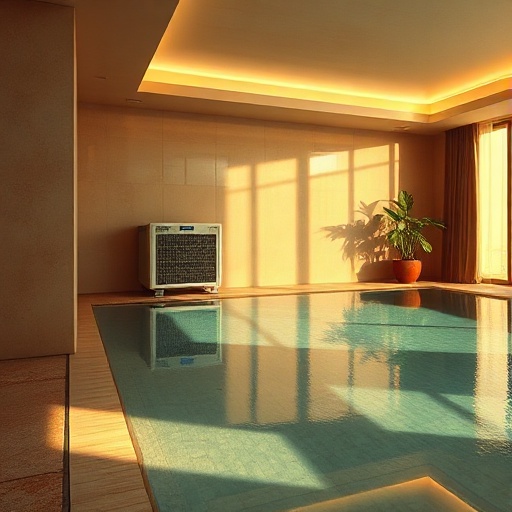
High-efficiency dehumidification units now dominate the market for hotel swimming pool applications. These units use advanced compressors and larger coil surfaces to extract more moisture per kilowatt consumed. Manufacturers design them specifically for the high latent loads found in indoor pools. Hotel owners replace older equipment with these units to cut monthly utility bills while improving humidity control. Variable-speed fans adjust airflow based on real-time moisture readings, preventing over-dehumidification during low-occupancy periods. The latest models include corrosion-resistant coatings that extend equipment life in the harsh pool environment. Facility managers appreciate the quieter operation that reduces noise complaints from nearby guest rooms. High-efficiency units also feature easier access panels that speed up routine service visits and minimize downtime for the hotel swimming pool dehumidifer.
Energy Recovery Ventilation Systems
Energy recovery ventilation systems capture both sensible and latent heat that would otherwise escape through exhaust air. In hotel natatoriums, these systems transfer energy to incoming outdoor air, reducing the work required from the primary dehumidification unit. Hotel engineers install energy recovery wheels or plate exchangers that precondition fresh air during both summer and winter months. This approach maintains required ventilation rates while lowering peak demand on the hvac system. Properties report measurable reductions in natural gas and electricity usage after retrofitting older pools with energy recovery technology. The systems integrate seamlessly with existing controls, allowing operators to track energy savings through building management software. Guests benefit from consistent air quality without noticeable temperature swings near the pool deck.
Smart Dehumidifiers with IoT Integration
Smart dehumidifiers equipped with IoT connectivity give hotel operators remote oversight of every indoor pool climate control parameter. Sensors transmit data on humidity, temperature, and equipment status directly to cloud dashboards accessible from any device. Maintenance teams receive instant alerts when a hotel swimming pool dehumidifer deviates from setpoints, enabling proactive repairs before guest comfort suffers. Predictive algorithms analyze historical trends to forecast filter changes and refrigerant top-ups. Integration with property management systems allows automatic adjustments during low-occupancy nights to conserve energy. Hospitality groups use aggregated data across multiple properties to benchmark performance and identify underperforming units quickly. These connected solutions transform reactive maintenance into scheduled service that protects both equipment and revenue.
Design Considerations for Pool Dehumidification Systems
Choosing the Right Dehumidifier for Your Hotel Pool
Selecting the correct hotel pool dehumidification unit requires careful calculation of evaporation rates based on pool surface area, water temperature, and expected bather load. Engineers evaluate ceiling height, glazing area, and outdoor climate conditions before recommending equipment capacity. Oversized units short-cycle and waste energy, while undersized units fail to maintain target humidity levels. Hotel developers review manufacturer performance data at multiple operating points to ensure reliable performance across seasons. Noise ratings matter when the mechanical room sits near guest accommodations. Access for coil cleaning and filter replacement influences long-term maintenance costs. Many properties choose modular designs that allow incremental capacity increases as occupancy grows. Proper selection ensures the dehumidification system supports both guest comfort and operational efficiency.
Integration with Existing HVAC Systems
Integration of new dehumidification equipment with existing hvac infrastructure demands detailed coordination between mechanical contractors and controls specialists. Hotel engineers map airflow paths to avoid short-circuiting that reduces overall system effectiveness. Dedicated outdoor air systems often supplement the main hotel pool dehumidifier to meet fresh air requirements without overloading the dehumidification coils. Variable air volume boxes allow different zones within the natatorium to receive tailored conditions. Commissioning tests verify that supply air reaches every corner of the space at the designed velocity. Building automation platforms tie the dehumidification unit into the larger hvac network so that lobby and corridor systems do not compete with pool climate control. Successful integration delivers consistent results while preserving the original investment in the hotel’s mechanical plant.
ASHRAE Guidelines for Indoor Pool Climate Control
ASHRAE guidelines provide the industry standard for designing climate control in hotel indoor pools. These recommendations specify temperature differentials between pool water and air, target relative humidity ranges, and minimum ventilation rates. Designers reference ASHRAE 62.1 and the ASHRAE Applications Handbook when sizing a hotel swimming pool dehumidifer. Following these standards prevents condensation on building envelopes and supports acceptable indoor air quality. Hotel projects that align with ASHRAE guidance often qualify for green building certifications that appeal to corporate travelers. Engineers document compliance during design reviews to streamline permitting and commissioning. Regular audits confirm that operating conditions continue to meet the original guidelines as equipment ages.
Sustainability and Energy Efficiency in Pool Dehumidification
Reducing Energy Consumption with Modern Technologies
Modern technologies slash energy consumption in hotel pool dehumidification by optimizing every stage of the moisture removal process. Heat pump dehumidifiers reuse the heat generated during condensation to warm pool water or supply air, eliminating separate heating equipment in many cases. Demand-controlled ventilation adjusts outdoor air intake based on occupancy sensors rather than running at constant maximum rates. Hotel operators track real-time energy intensity metrics through dashboards that highlight opportunities for further savings. Low-pressure-drop filters and high-efficiency motors reduce the fan energy required to move air through the dehumidification unit. These combined measures often deliver payback periods under three years while lowering the property’s carbon footprint.
The Use of Eco-Friendly Refrigerants
Eco-friendly refrigerants replace older high-global-warming-potential fluids in the newest hotel swimming pool dehumidifer models. Manufacturers transition to R-32, R-513A, and other low-GWP options that meet evolving environmental regulations. These refrigerants maintain excellent thermodynamic performance while reducing the direct environmental impact of any leak. Hotel chains update procurement policies to specify equipment compatible with future refrigerant availability. Technicians receive training on safe handling procedures for the new fluids during routine service. The shift supports corporate sustainability goals without sacrificing dehumidification capacity or reliability in demanding natatorium environments.
Long-Term Benefits of Energy-Efficient Dehumidifiers
Energy-efficient dehumidifiers deliver lasting financial and operational advantages to hotels that operate indoor pools. Lower utility costs improve net operating income year after year. Reduced mechanical stress extends equipment life and defers capital replacement expenditures. Guests notice the stable, comfortable environment and post favorable reviews that boost occupancy rates. Hospitality brands strengthen their reputation for responsible resource management, attracting eco-conscious meeting planners. Continuous monitoring ensures the dehumidification system maintains peak performance, protecting both the building asset and the guest experience over decades of service.